The Irony of Resilience: Identity, Optics, and the American Return
The Psychological Weight of Optics
Public perception rarely aligns with objective facts because humans process the world through emotional filters. We see this play out in the polarizing return of Andrew Tate to the United States. While legal definitions of citizenship and free speech provide a clear framework for his return, the "optics" create a different narrative. People react to symbols and fragments. When a figure critiques a system and then seeks its protection, it creates a cognitive dissonance that the public struggles to reconcile. Navigating this requires an understanding that feelings do not yield to facts; they must be acknowledged as a primary force in social dynamics.
The Lifecycle of Societal Utility
Influence is often a product of timing and specific psychological needs within a population. Ben Shapiro rose to prominence by providing intellectual scaffolding for a conservative base that felt silenced. He offered "foolproof" arguments when they were most needed. However, as those ideologies moved from the fringe to the mainstream, the "societal utility" of such a figure shifted. When a voice is no longer the sole bridge to an argument, their influence wanes. This reminds us that our external value is often tied to the specific problems we solve for others at a specific moment in history.
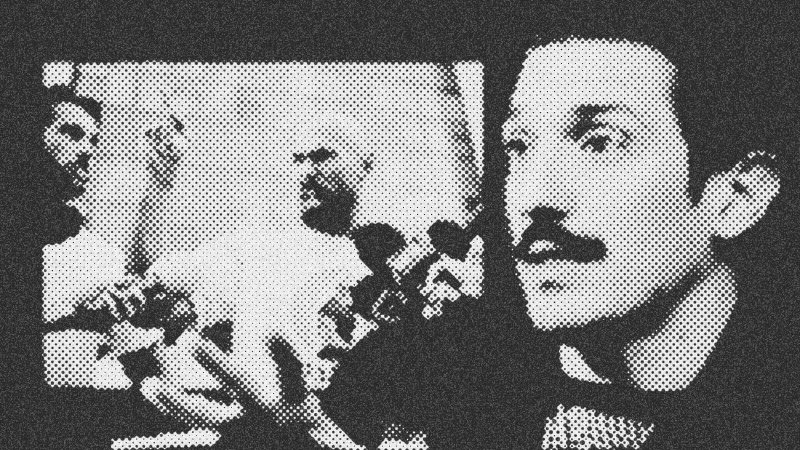
The Cognitive Dissonance of Protection
The comparison between Andrew Tate and Brittney Griner highlights a fascinating psychological trend: our willingness to overlook hypocrisy if a leader makes us feel seen. Brittney Griner faced intense scrutiny for seeking American aid after public acts of protest, yet Andrew Tate receives a different emotional response from his followers despite his previous condemnations of the West. This suggests that belonging and emotional resonance often override logical consistency. We are hardwired to protect our own, yet we struggle when those we protect hold views that challenge the very institutions keeping them safe.
Conclusion: Finding Growth in Paradox
True personal growth involves sitting with these contradictions without immediate judgment. Whether analyzing political commentators or global influencers, we must recognize that human behavior is rarely a straight line. The return to one’s roots during times of trouble isn't just a legal right; it is a psychological homecoming that reveals where our true safety lies. Moving forward, the challenge for the collective is to maintain the integrity of our principles while navigating the messy, emotional reality of the individuals who represent them.
- Andrew Tate
- 27%· people
- Brittney Griner
- 18%· people
- Andrew Schulz
- 9%· people
- Ben Shapiro
- 9%· people
- Nomatic
- 9%· products
- Other topics
- 27%
What's Happening With Andrew Tate? - Andrew Schulz
WatchChris Williamson // 6:58
