Decoding the Comic Mind: Trauma, Hypervigilance, and the Pursuit of Funny
Comedy, often perceived as lighthearted entertainment, frequently springs from profound personal experiences. The intricate dance between trauma and humor, the necessity of hypervigilance, and the delicate balance between self-belief and crippling doubt shape the trajectories of comedians. Examining these elements provides insight into why some find success in comedy, while others struggle to connect.
The Genesis of Comedy: From Pain to Performance
Many comedians find that early life discomfort acts as a catalyst for their creativity. The ability to transform pain into humor can be a valuable coping mechanism. As one comedian noted, it felt like their parents' divorce had, in an odd way, paved the path for their career. This suggests that those who have faced adversity might develop a unique sensitivity, prompting them to observe the world differently and seek to understand its complexities.
Gary Shandling and Jerry Seinfeld once discussed whether pain is a necessary ingredient for humor. Seinfeld countered with, "What about just talent?" To which Shandling wryly replied, "Why are you so angry?" This exchange encapsulates the ongoing debate about the wellsprings of comedic genius.
Hypervigilance: The Double-Edged Sword
Hypervigilance, often born out of feeling unsafe, sharpens one's observational skills. This heightened awareness allows comedians to notice nuances in everyday interactions that others might miss. It's this ability to dissect and analyze that transforms ordinary occurrences into comedic gold. However, hypervigilance can also be a burden, leading to an obsessive focus on detail.
The challenge arises when success encourages individuals to shed these intense behaviors. Looking back, many realize that their initial success stemmed from an acute ability to observe and dissect their surroundings.
The Illusion of Control and the Fear of Abandonment
For many comedians, the drive to succeed stems from a need for safety and control. Early experiences might lead them to believe that they can only rely on themselves. This hyper-independence fuels their ambition, but it can also create problems later in life.
It becomes difficult to relinquish control, delegate tasks, and trust others. This struggle highlights a common paradox: the very qualities that propelled them to success can limit their personal and professional growth. The fear of someone "ruining" their work often reflects deeper abandonment issues and a primal need for acceptance.
The Unstable Nature of Comedy
Unlike music, where a hit song can sustain an artist's career for years, comedy is a more fickle endeavor. A comedian is only as good as their last performance, and past successes offer little guarantee of future acclaim. This constant pressure to deliver new and original material contributes to the high-stress environment of the industry.
While musicians can rely on beloved classics, comedians face criticism for repeating jokes. The audience expects novelty and spontaneity, making it challenging to maintain a consistent level of success.
The Audience Connection: Trust and Authenticity
The audience's perception of a comedian's nervousness can significantly impact their performance. If the comedian appears insecure, the audience loses faith, leading to jokes falling flat. The key is to project confidence and authenticity, even when experimenting with new material.
Gary Shandling emphasized that people come to see the performer, not just hear jokes. Comedians must cultivate a persona that resonates with the audience, creating a shared experience beyond the individual punchlines.
The Importance of Mentorship and Collaboration
Breaking into comedy often requires a willingness to work for free and a relentless drive to improve. Aspiring comedians often benefit from assisting established performers, learning the craft through osmosis. Mentorship plays a crucial role, providing guidance and support.
However, the industry's emphasis on status and progress can be detrimental. Comparing oneself to more successful peers can lead to self-doubt and depression. It's essential to find one's unique voice and create a supportive network. The most successful approach seems to be to focus on working with collaborators where there is a mutual level of trust and respect.
The Modern Comedy Landscape
The rise of streaming services has reshaped the comedy landscape. The decline in DVD sales has made it more challenging for comedies to generate significant revenue. Studios now prioritize large-scale productions with global appeal, often neglecting smaller, character-driven comedies. However, there is hope for a resurgence, with independent creators finding new ways to connect with audiences.
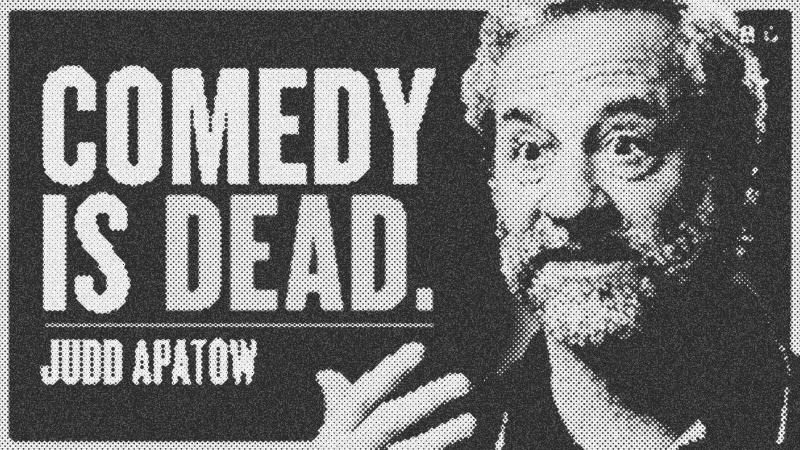
Ultimately, the future of comedy hinges on innovation and a willingness to take risks. As Judd Apatow notes, "You need innovation from people who don't have the big money." This suggests that the next wave of comedic talent will emerge from the fringes, challenging established norms and pushing the boundaries of what's considered funny.
Conclusion
In summary, the world of comedy is a complex interplay of personal experiences, psychological traits, and industry forces. While trauma and hypervigilance can fuel creativity, they must be balanced with self-awareness and emotional intelligence. The key to success lies in finding one's authentic voice, building strong relationships, and embracing the unpredictable nature of the craft. As the industry continues to evolve, the next generation of comedians will undoubtedly find new ways to make us laugh, even in the face of adversity.
- 40-Year-Old Virgin
- 2%· creative work
- Adam Sandler
- 2%· person
- Amy Schumer
- 2%· person
- Anchor Man
- 2%· creative work
- Andrew Bird
- 2%· person
- Other topics
- 92%
Why Comedies Suck Now - Judd Apatow (4K)
WatchChris Williamson // 1:35:18
