The Price of High-Stakes Content: Analyzing the De-Platforming of Stevewilldoit
The Disruption of the NELK Creative Ecosystem
When a central figure like Stevewilldoit vanishes from a primary platform, it creates a psychological and operational void within a creative collective. Kyle Forgeard, a founding member of NELK, describes the current state of their content as fundamentally altered. The absence is not merely a loss of personality; it is the removal of a specific comedic frequency that defined the brand's identity. This forced separation highlights the fragility of digital success when it relies on centralized platforms that possess the power to "unperson" creators overnight.
Deciphering the Strategy of Platform Moderation
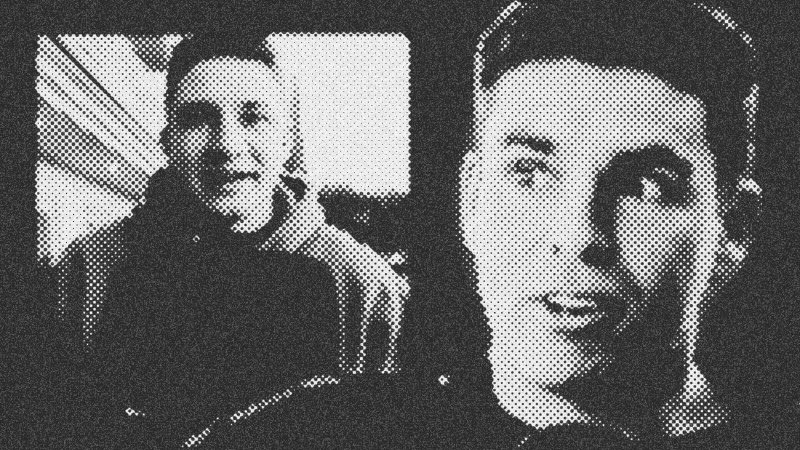
While YouTube officially cited gambling links for the ban, the underlying psychological reality suggests a more complex risk assessment. The platform operates on a business model fueled by advertiser confidence. When a creator like Stevewilldoit utilizes dark humor or associates with polarizing political figures like Donald Trump, they become a "ticking time bomb" in the eyes of corporate gatekeepers. Platforms prioritize predictable, brand-safe environments over individual creative expression, often using technical infractions as a convenient exit strategy for high-risk personalities.
The Burden of Off-Platform Responsibility
Creators now face the daunting reality of "off-platform responsibility," a policy where actions taken outside of a specific website can lead to termination on that website. Kyle Forgeard recalls receiving a manual warning during the pandemic, proving that manual human intervention often overrides automated algorithms when public perception is at stake. This environment forces creators to walk on eggshells, fundamentally stifling the authenticity that built their audiences.
Resilience and the Pivot to Diversification
Despite the digital exile, the focus has shifted toward building tangible assets like Happy Dad. This transition from pure content creation to product ownership represents a sophisticated psychological pivot. By focusing on a billion-dollar business goal, the collective maintains its momentum and purpose, even as YouTube enforces strict bans that prevent Stevewilldoit from appearing even as a guest on other channels like Full Send Podcast.
- Stevewilldoit
- 20%· people
- Kyle Forgeard
- 13%· people
- YouTube
- 13%· companies
- Andrew Tate
- 7%· people
- Bradley Martin
- 7%· people
- Other topics
- 40%
Kyle Forgeard Reflects On Stevewilldoit’s NELK YouTube Ban
WatchChris Williamson // 6:43
