Tiny brain hub governs your will to live, says Andrew Huberman
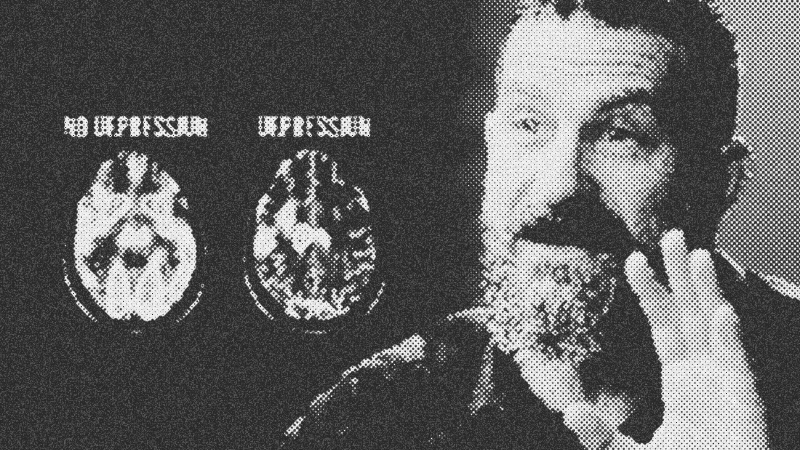
Human determination is not a vague, ethereal concept. Neuroscientist Andrew Huberman explained on the Modern Wisdom podcast hosted by Chris Williamson that willpower lives in a specific neural hub: the anterior midcingulate cortex, or AMCC. This tiny structure receives inputs from reward pathways, autonomic centers, and prediction networks. When we face challenges we desperately want to avoid, this area fires up. It literally grows in size with consistent effort. In "superagers"—older individuals who maintain youthful cognitive capacities—this brain region remains robust and defies typical age-related atrophy. Conversely, it shrinks as we age or succumb to a lifestyle of pure comfort.
Why Consent Redefines the Biology of Stress
Physical exertion alone does not guarantee health. Huberman highlights a classic study by neurobiologist Robert Sapolsky involving rats on running wheels. When a rodent runs voluntarily, its cardiovascular metrics improve. However, if a second rat is forced to run at the exact same pace on a tethered wheel, its health markers crater. The stress of coercion turns beneficial movement into biological damage. Psychologists like Alia Crum have mirrored this finding in humans. Believing stress is toxic actually makes it toxic, while viewing stress as a focus enhancer improves performance.
The Duel Over Human Stamina
For years, psychologist Roy Baumeister argued that willpower is a finite fuel tank depleted by hard tasks, a concept known as ego depletion. He tied this directly to glucose availability in the bloodstream. Then, Stanford psychologist Carol Dweck challenged this paradigm, proving that individuals who believe willpower is infinite do not experience this rapid depletion. However, recent evidence suggests a middle ground. On consecutive, back-to-back challenges, our beliefs can only carry us so far before biological energy constraints eventually assert themselves.
Forging the Will Through Daily Friction
How do we strengthen this cognitive engine? Huberman advises intentionally seeking out what he calls "micro sucks"—small, tedious tasks we actively resist, like washing dirty dishes, clearing a mounting email inbox, or finishing that last, grueling hill on a run. Pushing past voluntary completion into unnecessary discomfort builds the AMCC. It is not about hard workouts you enjoy; it is about doing the extra work you hate. Elite athlete Nick Bare calls this mindset "go one more." By repeatedly leaning into these minor, friction-filled moments, we preserve our cognitive vigor and cultivate our deep will to live.
- Alia Crum
- 13%· people
- Andrew Huberman
- 13%· people
- Carol Dweck
- 13%· people
- Chris Williamson
- 13%· people
- Modern Wisdom
- 13%· podcasts
- Other topics
- 38%
The Strange Benefit of Doing Hard Things - Neuroscientist Andrew Huberman
WatchChris Williamson // 16:37
