The Science of Hypertrophy and Human Connection: A Tactical Analysis
Overview: The Intersection of Biomechanics and Mindset
In a detailed training session at Lift ATX in Austin, Chris Williamson and Mike Israetel demonstrate that elite physical performance is as much a psychological game as it is a physiological one. The environment—a gritty garage gym blending gangster rap and death metal—serves as the backdrop for a deep dive into Renaissance Periodization (RP) principles. This isn't just a workout; it is a tactical execution of hypertrophy-specific strategies designed to maximize muscle fiber recruitment while navigating the mental hurdles of high-intensity training.
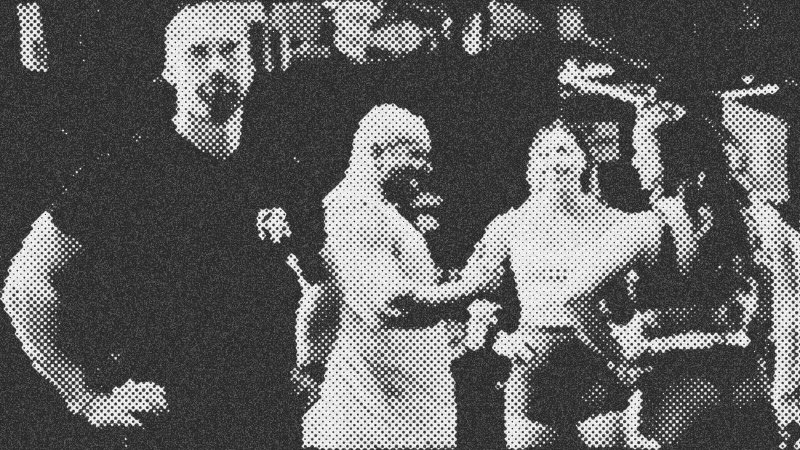
Mike Israetel brings his background as an exercise scientist to the floor, transforming standard movements into surgical instruments for growth. The session centers on the "why" behind the pain, focusing on eccentric control, Myo-reps, and the elimination of "sociological clutter." The goal is simple: total mechanical tension and metabolic stress, achieved through disciplined form rather than ego-driven weight.
Key Strategic Decisions: The Architecture of the Set
The tactical core of this session revolves around two primary methodologies: controlled eccentrics and the rep-match system. Mike Israetel argues that tempo is merely a proxy for control. By slowing the descent and implementing a one-second pause at the bottom of the movement (the "soft pause"), the lifter eliminates momentum and forces the target muscle to bear the full brunt of the load. This decision significantly increases the stimulus per rep, even if the absolute weight on the bar decreases.
The rep-match strategy is a psychological and physiological masterstroke. By setting a target number during the first set—when the lifter is freshest—and using Myo-reps (short rest-pause sets) to hit that same number in subsequent sets, the athlete ensures a consistent volume of work. This removes the arbitrary nature of training. You don't just do "three sets of ten"; you hit your target volume regardless of the fatigue accumulation. It forces an intensity that standard training often lacks.
Performance Breakdown: Technique Under Pressure
Chris Williamson demonstrates high technical proficiency, but Mike Israetel pushes him into the "uncomfortable zone" where form usually breaks down. During the Cybex Smith machine chest press, the analysis focuses on the active range of motion. Mike Israetel instructs Chris Williamson to stop the press 2/3 to 3/4 of the way up. This keeps constant tension on the pectorals, preventing the triceps and joints from taking over during the lockout phase.
The forearm training—a rarity for Chris Williamson—highlights the importance of treating small muscle groups with the same tactical respect as the "mirror muscles." The focus remains on the stretch. In the standing bicep curls, the strategic move is to keep the elbows back and stable, ensuring the biceps handle the load through the full lengthened position. This surgical approach to movement ensures that every ounce of effort translates into a specific biological adaptation.
Critical Moments: The Psychology of the "Ocean of Calm"
A pivotal moment occurs when Mike Israetel explains his pre-set ritual. He describes a process of "sinking" beneath the noise of the gym—the music, the social pressure, and the internal ego. This mental hygiene is essential for high-level performance. By entering what he calls an "ocean of calm," he can connect more deeply with the muscle fibers and execute the movement with a singular focus.
This psychological transition from serene to intense is critical. Mike Israetel notes that hyping up before a set often leads to injury or wasted energy. Instead, intensity should increase incrementally as the set progresses. The early reps are easy; the true tactical battle happens in the final two or three reps. Success here requires a quiet mind to navigate the intense physical burn without allowing the technique to degrade.
Future Implications: The Evolution of Fitness Intelligence
As the session concludes, Chris Williamson and Mike Israetel reflect on the democratization of high-level fitness knowledge. We have moved past the era of "bro-science" found on bodybuilding.com forums. The integration of exercise science into mainstream content means that even casual lifters can apply sophisticated training variables once reserved for professional bodybuilders.
The future of training lies in this intersection of data-backed methodology and self-awareness. The takeaway for anyone looking to reach their potential is clear: growth requires more than just effort; it requires intentionality. Whether it's managing the ego on a Smith machine or silencing the sociological clutter in your mind, the path to resilience is built one controlled, intentional rep at a time. The physical changes in the mirror are merely the outward manifestation of a disciplined internal process.
- Mike Israetel
- 33%· people
- Chris Williamson
- 21%· people
- Myo-reps
- 8%· products
- Austin
- 4%· places
- bodybuilding.com
- 4%· companies
- Other topics
- 29%
A complicated morning with Mike Israetel.
WatchChris Williamson // 43:55
