The Death of Nuance: Why We Trade Truth for Social Safety
The Architecture of Intellectual Retreat
Modern public discourse has transformed from a marketplace of ideas into a minefield of social risk. Many individuals now maintain two distinct sets of beliefs: the private convictions they truly hold and the sanitized versions they feel safe expressing in public. This gap between internal reality and external performance stems from a growing fear of the "backlash"—the immediate, digital social execution that follows an unpopular opinion. When prominent figures admit they cannot publicly support work they privately enjoy, it signals a systemic breakdown in our ability to foster authentic growth through dialogue.
The Cognitive Miser and the Trap of Labels
Psychology explains this shift through the Cognitive Misers model. Humans naturally seek the path of least resistance in thinking, opting for mental shortcuts over rigorous analysis. Complex political and social issues like Brexit or Donald Trump are no longer debated on technical or economic merits. Instead, they are reduced to binary moral indicators. You are either "compassionate" or "racist," "good" or "evil." These reductive labels allow the mind to categorize people instantly without the exhausting effort of understanding their nuanced perspectives.
The Moralization of Preference
In the past, political affiliation was often seen as a matter of interest or habit. Today, your vote or your stance on a single issue like free speech or abortion has become a definitive comment on your fundamental worth as a human being. This creates a "Cardinal Sin" culture where one heterodox opinion can lead to being entirely written off. If you agree with a fringe group like UKIP on a specific principle of free speech, you are immediately branded a supporter of their entire platform. This lack of nuance makes it impossible to acknowledge that a person or party can be "right" about a single principle while being "wrong" about everything else.
Reclaiming the Art of Disagreement
True resilience requires us to sit with discomfort and engage with those we might otherwise dismiss. Historical progress often came from activists who would talk to opponents, find common ground on economic issues, and then use that rapport to challenge prejudices on social issues. By abandoning this process in favor of instant moral condemnation, we lose the primary mechanism for changing minds. Moving forward requires us to separate ideas from identities and recognize that principles like free speech do not belong to any single political tribe.
- Andrew Doyle
- 10%· people
- Boris Johnson
- 10%· people
- Brexit
- 10%· events
- Cognitive Misers
- 10%· psychology
- Conservative Party
- 10%· organizations
- Other topics
- 50%
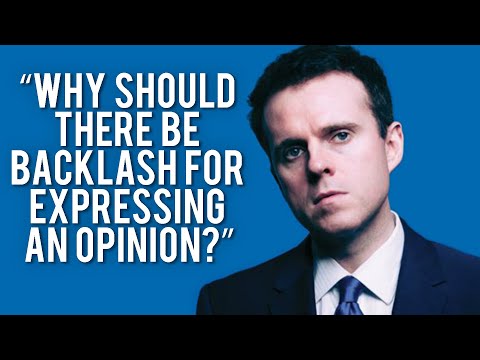
Andrew Doyle - Why No One Gives True Opinions Anymore
WatchChris Williamson // 5:05
