The Evolution of Ambition: Navigating Life’s Mid-Point Transitions
The Shift from Performance to Purpose
Transitioning through your thirties often triggers a profound re-evaluation of how you define success. For many high-achievers, the early years are characterized by a relentless pursuit of external markers—physical peak, financial accumulation, and social status. However, as Mike Thurston and Chris Williamson discuss during their training session in Austin, there comes a moment where the cost of maintaining these markers begins to outweigh the rewards. This shift isn't a retreat; it's an evolution into a more sustainable and psychologically fulfilling version of self.
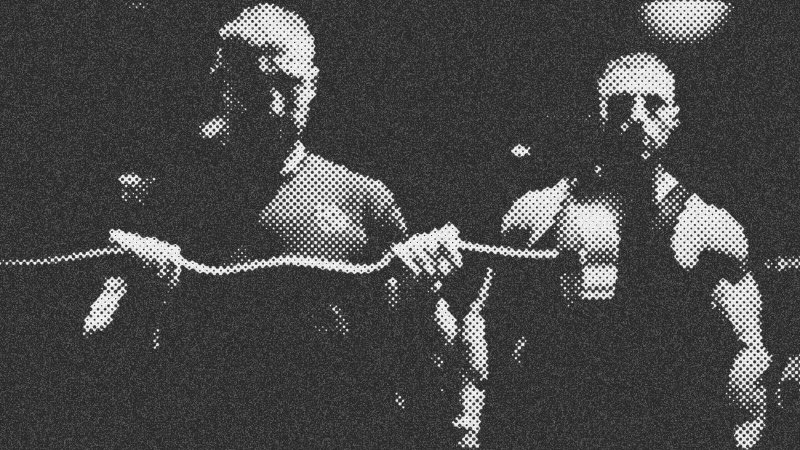
In our twenties, we often treat our bodies and minds as infinite resources. We can tolerate high-stress environments, poor sleep, and social burnout because our resilience is at its peak. As we cross the mid-thirty threshold, the feedback loops from our bodies become louder. Mike Thurston highlights this through his shifting relationship with alcohol and recovery. The realization that a single night of indulgence can derail three days of cognitive function and physical performance necessitates a higher bar for what we allow into our lives. We move from a mindset of 'more is better' to 'better is essential.'
The Psychology of Personal Evolution and Relevancy
One of the most significant challenges for individuals with a public-facing identity—or even those deeply entrenched in a specific career path—is the fear of breaking the mold. There is a perceived social contract that suggests we must continue doing exactly what brought us initial success. Chris Williamson reflects on how creators and professionals often feel trapped by the expectations of their 'fans' or peers. They fear that pivoting toward new interests, such as Chris Williamson's shift from fitness to deep-dive intellectual discourse on his podcast, Modern Wisdom, will lead to irrelevance.
However, the opposite is usually true. Stagnation is the greatest threat to longevity. To remain relevant, both to ourselves and our communities, we must allow our public identity to mirror our internal growth. Mike Thurston discusses the transition from being a 'fitness guy' to exploring longevity and wellness. This isn't just a business strategy; it is an act of psychological integrity. When you stop pretending to be the person you were ten years ago, you find a new sense of liberation. This 'liberation from the curated' allows for a more authentic connection with others and reduces the cognitive load of maintaining a persona that no longer fits.
Relationships and the 'Dad Energy' Paradigm
As priorities shift, so does our approach to romantic and social connections. The discussion between Chris Williamson and Mike Thurston touches on a fascinating psychological shift in attraction and partnership. In younger years, many men focus on signaling status and 'playboy' energy to attract partners. As they mature, there is a realization that the qualities required for a long-term, meaningful partnership are entirely different.
Chris Williamson posits that signaling 'dad energy'—stability, emotional intelligence, and a capacity for nurturing—is far more effective for attracting high-quality partners interested in building a future. This reflects a transition from short-term mating strategies to long-term investment. It requires a high degree of self-awareness to recognize that every failed relationship is a data point for personal growth. Learning that what makes one person happy may not work for another is a lesson in empathy and adaptability. It prepares the individual to be a better partner when they finally encounter the person they wish to raise a family with.
Professional Mastery and the Trap of Discrediting Ease
We often fall into the trap of devaluing the skills that come most naturally to us. Because a particular task—whether it’s public speaking, coaching, or business strategy—feels easy, we assume it lacks value. This 'blindness to mastery' can lead to unnecessary diversification into areas that cause more headache than profit. Mike Thurston reflects on his clothing brand, noting it as a significant logistical burden compared to his core strengths in fitness and content.
Chris Williamson reinforces the idea that we should 'put our foot on the gas' of our natural talents. True professional fulfillment often comes not from doing something entirely new, but from refining and deepening our existing expertise. The concept of 'heritage' in a field—being a voice of authority after a decade of consistent work—is an asset that cannot be easily replicated. Recognizing this allows us to stop 'playing the game' for the sake of views or external approval and start focusing on the work that actually moves the needle for us and our audience.
Performance Environments and Emotional State
The environment we choose to inhabit significantly influences our internal state. The two discuss the 'whispers' of different cities, contrasting the overt status-seeking of Miami or Dubai with the 'hidden wealth' and ruggedness of Austin or Northern England. Choosing an environment that aligns with your values is a crucial component of well-being. If you value substance over flash, living in a city that constantly screams about luxury will create a permanent state of cognitive dissonance.
Furthermore, for anyone in a performance-based role, protecting one’s emotional state is a professional necessity. Unlike tasks that can be performed on 'autopilot,' creative and communicative work requires a specific mood to reach 100% capacity. An emotional disturbance, such as a conflict in a personal relationship or a social media mishap, can halve one's effectiveness. This underscores the importance of a 'simple, calm existence' as a foundation for high-level performance. When we minimize unnecessary drama, we maximize our ability to contribute our best work to the world.
- Chris Williamson
- 27%· people
- Mike Thurston
- 23%· people
- Austin
- 9%· places
- 50 Cent
- 5%· people
- Ben Francis
- 5%· people
- Other topics
- 32%
Training arms & talking relationships with Mike Thurston.
WatchChris Williamson // 38:23
