The Weight of the Finale: Navigating the Psychology of Personal Decline
The Mirror of Public Decline
Watching a prominent figure face the visible erosion of their capabilities is a profound psychological experience for the observer. When we witness Joe Biden navigate the physical and mental demands of the presidency, we are not just observing politics; we are confronting our shared human vulnerability. Tulsi Gabbard highlights that this decline was impossible to ignore behind the scenes, yet a collective narrative attempted to shield the reality. This creates a psychological dissonance for the public, where the evidence of the eyes conflicts with the official word of the institution.
The Lasting Power of Final Impressions
Humans primarily remember the end of a journey. Psychologically, the "peak-end rule" suggests that our memory of an experience is defined by its most intense point and its conclusion. Chris Williamson notes that seeing a five-decade career culminate in a state of visible struggle leaves a "lingering aftertaste." For any individual, the twilight of a career should ideally be a victory lap. When it becomes a period of ridicule or perceived incapacity, it tarnishes the legacy and triggers a sense of collective sadness or empathy in the observer.
Stubbornness and the Pinnacle of Ambition
Ambition can be a double-edged sword. Tulsi Gabbard characterizes the President as a stubborn man who has reached the pinnacle he sought for his entire life. This internal drive often blinds individuals to their own limitations. Choosing to remain at the "tip of the spear" when the body and mind signal a need for rest is a common struggle for high achievers. It raises vital questions about self-awareness and the difficulty of letting go when one's identity is inextricably linked to power and service.
The Cost of Institutional Silence
When those surrounding a leader prioritize political utility over the well-being of the individual and the state, the human cost is high. The transition from the vibrant Barack Obama to the current state of the presidency illustrates the ruthless toll of leadership. Ultimately, when the discourse focuses solely on the survival of the organization, the needs of the everyday person—and the dignity of the leader—are often sacrificed to the noise of the machine.
- Tulsi Gabbard
- 20%· people
- Barack Obama
- 10%· people
- Chris Williamson
- 10%· people
- Hunter Biden
- 10%· people
- Jill Biden
- 10%· people
- Other topics
- 40%
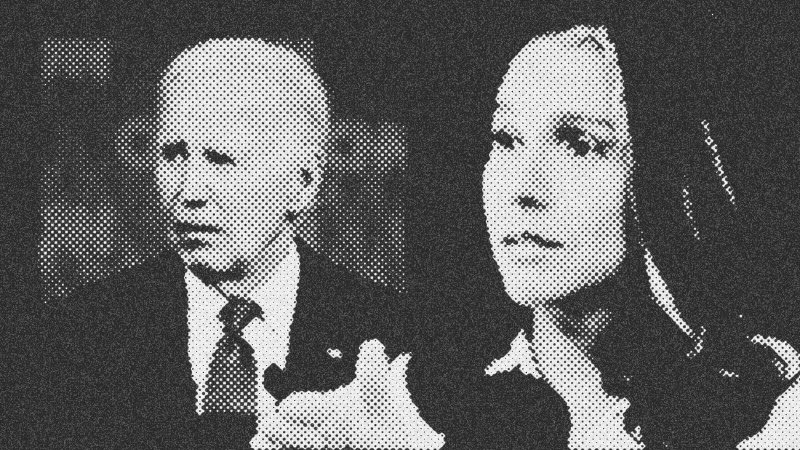
The Truth About Joe Biden - Tulsi Gabbard
WatchChris Williamson // 8:07
