Richard Reeves warns that demonizing men is failing the feminist movement
The shift toward human flourishing
Richard Reeves observes a gradual pivot within feminist circles. Leaders are starting to acknowledge that dismissing the struggles of boys and men is no longer a viable strategy. While some argue that helping men is merely "good for women," Reeves insists on a more profound moral stance: we should care about men because their flourishing is an end in itself. This move away from zero-sum empathy suggests that social progress requires a holistic approach rather than one that pits the interests of different genders against each other.
Ending the political blame game
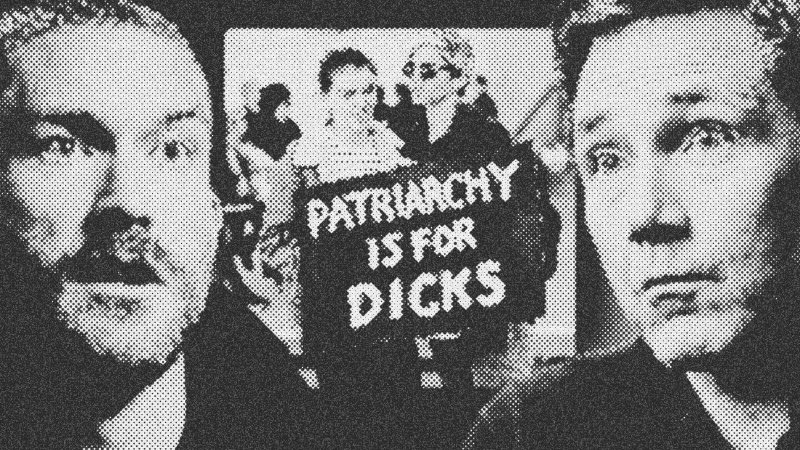
A corrosive polarization currently defines the gender discourse. Chris Williamson and Reeves dissect how the left often tells women that their hardships are solely the fault of the patriarchy, while the right tells men that "woke feminism" is their primary antagonist. This reciprocal blame creates a colossal waste of political energy. It prevents society from addressing the actual structural and relational issues that affect both sexes, replacing constructive dialogue with a defensive tribalism that stalls genuine intellectual and social development.
Redefining mate value beyond the screen
The conversation turns to the complexities of modern dating, specifically the work of Paul Eastwick and his book Bonded by Evolution. While algorithmic dating apps treat "mate value" as a static, shallow metric, real-world dynamics are far more fluid. As individuals spend time together, their "revealed preferences" shift. Poise, patience, and kindness emerge as critical factors that can fundamentally alter how an individual is perceived. This suggests that the rigid hierarchies often promoted in digital dating spaces are insufficient for understanding long-term human bonding.
Commitment as a transformative process
Reeves challenges the "marketplace" view of marriage, which often implies that the work ends once a match is made. Instead, he posits that long-term success depends less on the partner one chooses and more on the person one becomes within the relationship. This perspective shifts the focus from finding the perfect commodity to cultivating personal growth and shared history. Evolution in a relationship requires a continuous adaptation to the changing versions of oneself and one's partner over several decades.
- American Institute for Boys and Men
- 9%· organizations
- Bonded by Evolution
- 9%· books
- Chris Williamson
- 9%· people
- Dan Cox
- 9%· people
- Element
- 9%· products
- Other topics
- 55%
“Demonising Men Is Not A Good Strategy” - Richard Reeves
WatchChris Williamson // 12:49
