TikTok signals the end of mandatory social media adoption
The pivot from connection to entertainment
Early social media platforms like Facebook and Instagram relied on the network effect, positioning themselves as essential tools for human connection. You joined because your family and friends were already there. Cal Newport argues that TikTok marks a definitive shift away from this model. By stripping away the requirement of a social graph, TikTok has purified the medium into a stream of algorithmic entertainment. It doesn't care who you know; it only cares about what keeps you watching.
Death of the monopoly era
Between 2012 and 2013, the industry entered a phase of "universal usage" where opting out was viewed as an act of social rebellion. Cal Newport recalls being publicly criticized for his refusal to use these services, treated as a monastic outlier. TikTok breaks this monopoly by removing the social pressure to participate. While it boasts over a billion users, it lacks the coercive power of its predecessors. If you don't use it, you aren't missing your cousin's wedding photos; you are simply missing a specific flavor of entertainment.
Algorithm as the new editor
The platform functions like a slot machine for the brain stem, utilizing music cues and rapid-fire pacing to maximize engagement. TikTok openly manipulates content creators, artificially boosting early views to hook them on the possibility of fame before pulling back the reach. This "gamification" of creation and consumption is ruthless, but it clarifies the platform's role as a diversion rather than a utility.
Implications for digital minimalism
This fragmentation of the media landscape provides the "breathing room" necessary for intentional living. When social media is merely another choice in a sea of diversions—alongside podcasts, streaming, and niche communities—the social cost of opting out vanishes. This allows individuals to construct lives based on personal values rather than platform mandates.
- TikTok
- 31%· products
- Cal Newport
- 15%· people
- Ben Shapiro
- 8%· people
- 8%· companies
- Game of Thrones
- 8%· products
- Other topics
- 31%
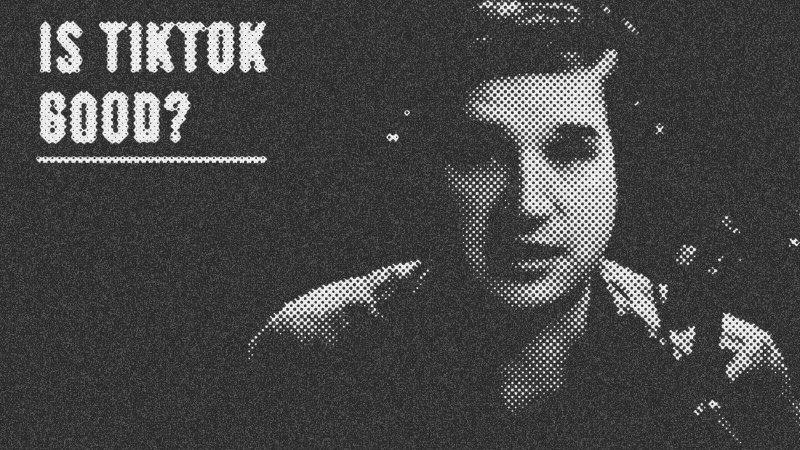
Is TikTok A Good Thing? | DEEP DIVE | Episode 176
WatchCal Newport // 9:03

Cal Newport is a computer science professor at Georgetown University and is also a New York Times bestselling author of seven books, including, A World Without Email, Digital Minimalism, and Deep Work, which have been published in over 35 languages. In addition to his books, Cal is a regular contributor to the New Yorker, the New York Times, and WIRED, a frequent guest on NPR, and the host of the popular Deep Questions podcast. He also publishes articles at calnewport.com and has an email newsletter.