Newport warns executives are faking AI competency to sound smart
The Manufactured Panic of Corporate Layoffs
Business leaders love a clean narrative. When German software giant SAP announced massive restructuring, executives quickly pointed to artificial intelligence as a primary driver. It makes them look forward-thinking. In reality, Cal Newport argues this is complete revisionist history. During the spring of 2024, state-of-the-art tools were limited to basic multimodal chatbots like GPT-4o. Highly restricted coding harnesses like Devon were barely experimental. No one used AI systematically to program. The technology simply could not replace human capital yet.
Industry leaders corroborate this mismatch. Nvidia chief executive Jensen Huang called claims of immediate, widespread job losses "ridiculous." He slammed executive posturing as an irresponsible way to sound intelligent. Venture capitalist Marc Andreessen pointed out that tech layoffs were actually a correction for pandemic-era overhiring and soaring interest rates. Even OpenAI chief executive Sam Altman admitted his fears of rapid white-collar job displacement were wrong.
Shaky Logic and the Rebranding of Basic Tasks
Corporate leaders bypass reality through massive leaps in logic. SAP chief executive Christian Klein suggested software engineers might not even code in three years. While programmers now work interactively with AI agents to speed up development, jobs have not vanished. In fact, software engineering job listings recently hit a three-year high.
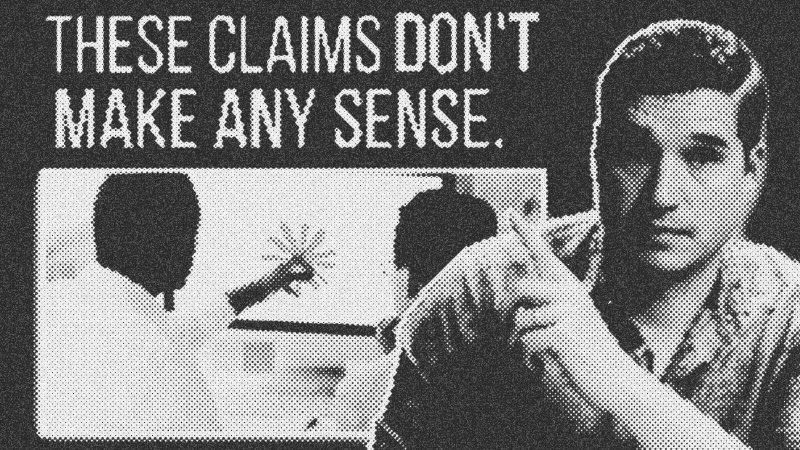
When you audit how these organizations actually deploy AI, the illusion crumbles. They use models to clean up patent application drafts, field basic customer support queries, and write simple code prototypes. These are the exact same narrow, mediocre use cases we have heard about for years. They are helpful productivity utilities, not economic wrecking balls.
Operating on Social Media Vibes
Why does the corporate suite persist with this rhetoric? Most business managers simply do not understand the technology. They operate on vague, directionless LinkedIn platitudes. They fear looking obsolete more than they fear being wrong. Saying "AI did it" offers a high-tech shield for basic cost-cutting.
This creates a dangerous information vacuum. Tech founders doom-troll for attention, and corporate executives chase trends. Neither group is reliable.
A Call for Adversarial Tech Journalism
To correct this, journalists must shift their framework. They cannot treat artificial intelligence developments like traditional product or business reporting. We need aggressive, political-style skepticism. Reporters should cross-examine corporate claims, check timelines, and refuse to print executive marketing copy as economic fact.
- SAP
- 18%· companies
- Cal Newport
- 9%· people
- Christian Klein
- 9%· people
- Devon
- 9%· products
- GPT-4o
- 9%· products
- Other topics
- 45%
Do Managers Actually Understand AI? (I’m Not So Sure.)
WatchCal Newport // 19:57

Cal Newport is a computer science professor at Georgetown University and is also a New York Times bestselling author of seven books, including, A World Without Email, Digital Minimalism, and Deep Work, which have been published in over 35 languages. In addition to his books, Cal is a regular contributor to the New Yorker, the New York Times, and WIRED, a frequent guest on NPR, and the host of the popular Deep Questions podcast. He also publishes articles at calnewport.com and has an email newsletter.