The Breaking Point: A Family Portrait of Unstable Bonds and Fatal Conflict
The desire for a second chance often blinds us to the damage already done. Nikki Whitehead was 31 when she decided to reclaim her role as a mother, hoping to gather her 13-year-old twin daughters,
The Friction of New Authority
When the twins moved into Robert’s home, their personalities underwent a jarring transformation. Once high-achieving students, their grades plummeted as resentment took root. Nikki attempted to pivot from her "cool sister" persona into a strict disciplinarian, desperate to prevent the girls from repeating her own history of teenage rebellion and early pregnancy. The girls recoiled at the perceived hypocrisy. They saw a woman who still enjoyed a vibrant social life trying to impose rigid boundaries on them, sparking a volatile cycle of defiance.
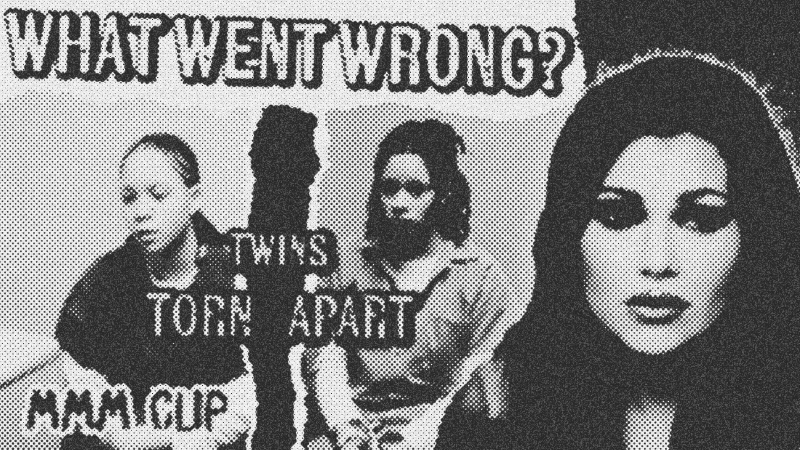
Escalation to Physical Hostility
As tensions boiled over, the defiance turned physical. The twins began to assault Nikki, utilizing their numbers to overwhelm her. The violence was visceral; one of the girls was known to bite during these altercations. Nikki called the police repeatedly, yet the system seemed ill-equipped to handle the growing menace within the household. Eventually, the girls were sent back to live with Dela, but the court intervened again, mandating family counseling. Over several months, six different counselors observed a family that thrived on chaos, struggling to accept responsibility for their collective stress.
The Final Return to Conyers
By January 2010, the twins were 16. Despite two years of documented abuse and instability, a judge granted Nikki custody once more. Nikki, fueled by hope and perhaps a bit of desperation, immediately pulled them from their familiar high school and enrolled them in a new one to force a clean break from their past. It was a catalyst for disaster. A week after the move, police were already at the door for domestic disturbances, even during a failed welcome home party where Jazz threw food and shoved her aunt.
A Horror Show in the Suburbs
On January 13, 2010, the cycle of violence reached its conclusion. A patrolling officer was flagged down by a hysterical Tas, who claimed they had arrived home to find Nikki murdered. Inside, the deputy discovered what he described as a "horror show." The investigation would eventually reveal the grim reality that the girls had orchestrated the end of their mother's life, a tragic outcome born from a decade of fractured bonds and a system that kept pushing them back into a pressure cooker they refused to inhabit. True reconciliation cannot be forced, and sometimes, the price of trying is the highest one imaginable.