Wrenching on a Classic: The Comprehensive Triumph Spitfire Restoration Guide
Reviving the Spitfire: A Precision Restoration Blueprint
Restoring a Triumph Spitfire isn't just about making it look pretty; it is about respecting the mechanical soul of a 50-year-old British roadster. This guide focuses on the critical transition from a project car full of filler and gremlins to a technically sound, performance-tuned machine. We are moving beyond the surface to address electrical failures, fuel stagnation, and suspension geometry that often plagues these builds. Whether you are dealing with a non-cranking engine or a wobbly front end, the following procedures prioritize the precision required to get a classic back on the road safely.
Essential Arsenal: Tools and Materials
Before you crack a single nut, ensure your workspace is stocked with the right equipment. Classic British engineering often requires a mix of standard and specialty tools.
- Electrical & Ignition: Digital multimeter, Electronic Distributor (to replace points), new HT leads, and high-quality heat shrink for terminal repairs.
- Engine & Fuel: Top Dead Center marking tool, timing light, fresh high-octane fuel, and replacement Engine Mounts.
- Chassis & Body: Specialized hub puller (critical for the rear studs), Rivnut tool for captive nut installation, Christmas tree (step) drill bits, and suspension shims for camber adjustment.
- Finishing Touches: Cobra Lowback Seats (or equivalent slim-profile buckets), dashboard cap, and Febi grease for trunion assembly.
Troubleshooting the Ignition and Fuel Systems
If the engine won't crank, check the basics first. On these older looms, the starter solenoid wiring is a frequent failure point. Replace brittle terminals with new crimps and use heat shrink to prevent future corrosion. Once the engine turns over, you must address spark and fuel.
Old fuel turns into a varnish-like substance that clogs lines and carburetors. If the car has sat for a year, drain the tank and blow out the lines. For the ignition, ditch the points and condenser for an electronic distributor. This eliminates the headache of mechanical wear. To install, set the engine to Top Dead Center on cylinder number one. Ensure the rotor arm points toward the corresponding terminal on the cap before locking the unit down. If the car only fires when you release the ignition key, you have a wiring mismatch at the switch or solenoid—this requires a methodical trace of the primary power circuit to ensure the coil receives voltage during both the cranking and running phases.
Fine-Tuning Chassis Dynamics and Camber
A Spitfire with "wonky" wheels is usually suffering from worn trunions or incorrect wishbone spacing. The front suspension relies on a trunion design that must be kept free of grit and moisture. When rebuilding, install new O-rings to seal the assembly and use high-quality grease to eliminate play.
If you notice uneven camber, don't reach for the hammers. Instead, use precision shims between the wishbone and the chassis leg to level the geometry. At the rear, installing wider wheels or spacers often requires longer studs. Do not attempt to hammer these out while the hub is on the car. Use a heavy-duty hub puller to remove the flange, press the new studs in properly, and torque the central nut to factory specifications. This ensures the drivetrain can handle the load without shearing a stud mid-corner.
Interior Integration and Component Fitting
Classic cabins are tight. When selecting seats, the rake of the backrest is more important than the width. Large bucket seats often hit the roof hinge or prevent the soft top from closing. Opt for low-back designs like the Cobra Lowbacks that respect the car's small footprint.
For the dashboard, a cracked vinyl top is a common eyesore. You can install a molded dash cap over the original, but you must remove the air vents and ashtray first to ensure a flush fit. When mounting the interior H-frame, the original bolt holes are often stripped or hard to reach from under the car. The professional solution is to drill the holes out and install Rivnuts. This creates a captive nut in the thin sheet metal, allowing you to bolt the interior components in from the top without needing a second person holding a wrench under the chassis.
Tips and Troubleshooting
- The "Varnish" Smell: If your fuel smells like old paint, it’s dead. Don't try to run it; it will gum up your valves. Flush the system completely.
- Coolant Quality: If the drained coolant is brown, you have internal rust in the block. Flush the radiator and block multiple times with fresh water before adding high-quality corrosion-inhibiting coolant.
- Engine Mount Check: Inspect the driver-side mount specifically. It often perishes faster due to engine torque. If the rubber has separated from the metal plate, replace the pair immediately to prevent the fan from hitting the radiator.
- The Timing Mark: If you can't see the timing mark with your light, clean the pulley with an abrasive wheel and mark the notch with white paint or chalk.
The Reward of Technical Rigor
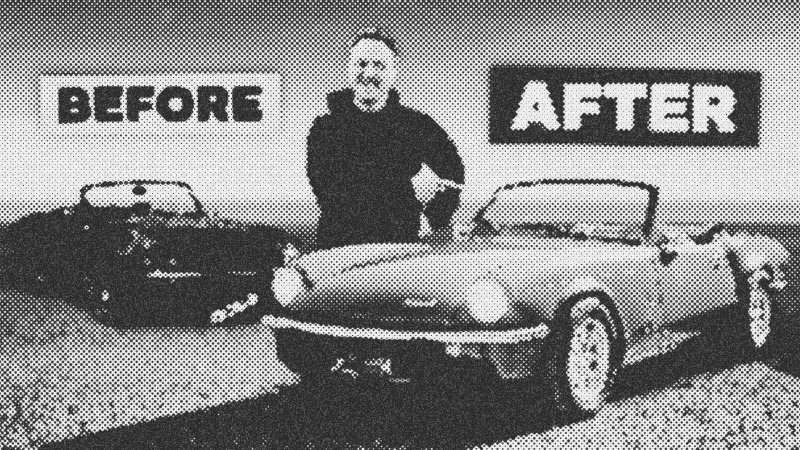
A completed restoration should result in a car that starts reliably, sits level, and handles predictably. By replacing the archaic points system with electronic ignition and correcting the suspension geometry with shims and new trunions, you transform the Spitfire from a rickety project into a legitimate performance machine. The reward is a classic that doesn't just look the part on a trailer but performs under the stress of a rolling road or a spirited B-road blast. Precision under the hood pays dividends in the driver's seat.
- Cobra Lowback Seats
- 9%· products
- Electronic Distributor
- 9%· products
- Engine Mounts
- 9%· products
- Febi
- 9%· companies
- Motul
- 9%· companies
- Other topics
- 55%
We Spent £5000 Fixing The World's WORST Classic Car!
WatchAutoalex Cars // 40:34
