How to Remove and Inspect a V10 TDI Engine from a Volkswagen Touareg
Navigating the Complexity of the V10 TDI Platform
The Volkswagen Touareg equipped with the 5.0-liter V10 TDI engine remains one of the most ambitious engineering feats of the early 2000s. It offers immense torque and towing capability, yet its compact engine bay makes even minor repairs a logistical nightmare. This guide detail how to perform a full engine and subframe removal—a process necessitated by common failures like catastrophic oil leaks from tandem pumps or turbocharger degradation. By dropping the entire drivetrain as a single unit, you gain the access required to address internal components that are otherwise unreachable.
Performing this task requires more than just standard mechanical knowledge; it demands patience for dealing with the complex interplay of two separate ECU (ECUs), interconnected cooling systems, and the heavy-duty air suspension architecture. The goal is to safely separate the power plant from the chassis to facilitate a deep-dive inspection of the camshafts, turbos, and structural integrity of the vehicle.
Essential Tools and Preparation
Before beginning, ensure you have a workspace capable of supporting a high-tonnage vehicle and a massive powertrain unit. The V10 assembly, including the gearbox and subframe, weighs approximately 500kg. You will need:
- Heavy-Duty Lifting Equipment: A two-post lift is strongly recommended. You will also need a hydraulic scissor table or a series of high-capacity transmission jacks and axle stands to support the engine as the car rises.
- Specialty Sockets and Bits: A full set of Torx (T30 through T45) and Triple Square (XZN) bits. High-torque impact wrenches are essential for subframe bolts.
- Fluid Management: Large drain pans for coolant, power steering fluid, and gearbox oil. The V10 uses a staggering amount of fluid compared to standard SUVs.
- Diagnostic Hardware: An Carly OBD scanner like the Carly device is necessary for clearing fault codes and coding features once the engine is reinstalled.
- Corrosion Solutions: Penetrating oil and oversized sockets for rounded, rusted bolts. On older high-mileage examples, corrosion in the wheel arches and on exhaust flanges is a certainty.
Step-by-Step Drivetrain Extraction
1. Front-End Disassembly and Electronic Isolation
Begin by removing the front bumper, headlights, and the primary crash bar. This Volkswagen uses a modular front-end design, but if you have fitted aftermarket accessories like a winch, these must be disconnected first. Next, locate the ECUs. The V10 operates using a master-slave configuration where two separate ECUs each control one bank of five cylinders. Disconnect the wiring looms at the firewall and feed them toward the engine so the wiring stays with the motor during the drop. Remove the air boxes and disconnect the turbo inlet hoses to prevent snagging.
2. Fluid Drainage and Peripheral Disconnection
The Volkswagen Touareg cooling stack is incredibly dense. You must drain the primary radiator, the secondary coolers for the gearbox and power steering, and the lines feeding the Webasto heater located in the wheel arch. Be prepared for a mess; many of these lines lack dedicated drain plugs and require pulling hoses directly. Simultaneously, disconnect the air conditioning lines (ensure the system is discharged) and the brake calipers. Do not open the brake lines; instead, unbolt the calipers and secure them to the chassis with cable ties to avoid the need for a full system bleed later.
3. Under-Car Preparation and Steering Linkage
From beneath the vehicle, remove the driveshafts and the prop shaft. Be wary of the "donut" bolts on the prop shaft, as they are prone to rounding. Use a hammer to seat sockets firmly on rusty hardware. You must also disconnect the steering column from inside the cabin. The steering rack will remain attached to the subframe and exit the vehicle with the engine. Finally, bleed the air from the suspension system and unbolt the top of the suspension struts from the engine bay.
4. The Final Drop
Position your support table or jacks under the engine subframe and the gearbox crossmember. Remove the primary subframe mounting bolts. Slowly lift the vehicle chassis using the workshop lift while monitoring for any forgotten wires or hoses. The V10 is "tippy" due to its weight distribution; utilize extra axle stands to balance the front of the engine as it separates from the car.
Component Inspection and Troubleshooting
Once the engine is out, the real diagnostic work begins. The tandem pump, which handles both fuel pressure and vacuum, is a primary suspect for oil leaks. These pumps often leak from the rear seal, drenching the turbos in oil and creating smoke in the cabin. Remove the tandem pump and inspect the gaskets for failure.
Next, remove the cam covers to inspect the camshafts. Because this is a PD engine (PD) engine, the camshafts endure immense pressure from driving the injectors. Check for pitting on the lobes and wear on the lifters. If you see copper-colored metal on the lobes, the camshaft is spent and requires replacement. Similarly, check the turbos for "play." While some axial movement is normal, any contact between the impeller and the housing indicates a failing bearing. Look for debris damage on the impeller edges, which suggests the engine has ingested foreign material.
Structural Integrity and Final Assessment
A critical, often overlooked step during an engine-out service is inspecting the chassis legs behind the heat shields. The Volkswagen Touareg can trap mud and moisture in the upper suspension turrets and subframe mounting points. This leads to catastrophic structural rot that is invisible when the engine is installed. Poke these areas with a screwdriver; if the metal crumbles or reveals holes near the subframe mounts, the vehicle may be beyond economical repair. Safety is paramount; a powerful V10 engine requires a solid foundation to handle the torque and weight.
Conclusion
Successful removal and inspection of the V10 TDI drivetrain provides the only clear path to restoring a high-mileage Volkswagen Touareg. While the process is labor-intensive and reveals the platform's engineering eccentricities, it allows for the precise replacement of turbos, camshafts, and seals. If the chassis remains solid, the reward is one of the most capable overlanding machines ever built. If the inspection reveals terminal rust, you have at least saved yourself from a dangerous mechanical failure on the road.
- Volkswagen Touareg
- 29%· products
- Carly
- 7%· companies
- Carly OBD scanner
- 7%· products
- ECU
- 7%· products
- Febi Bilstein
- 7%· companies
- Other topics
- 43%
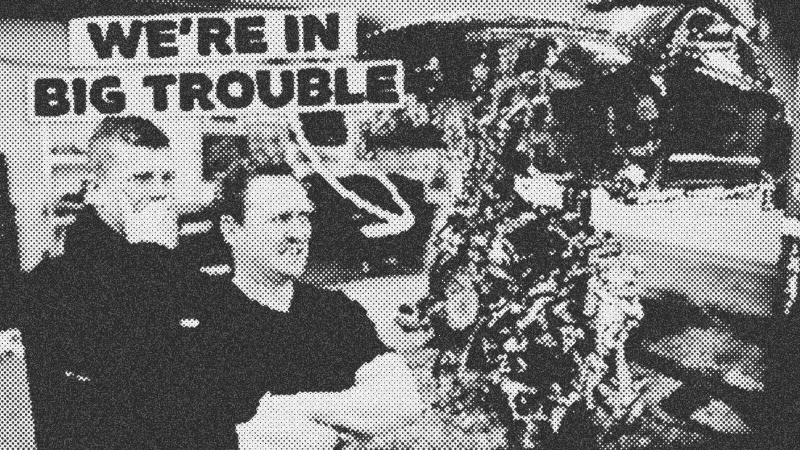
Catastrophic Rust Means It Could Be GAME OVER For Our V10 Touareg!
WatchAutoalex Cars // 48:39
