Lenny Kravitz and Lily Collins reveal the architecture of Parisian soul
Architectural Digest////6 min read
Haussmannian bones and the art of the cinematic workplace
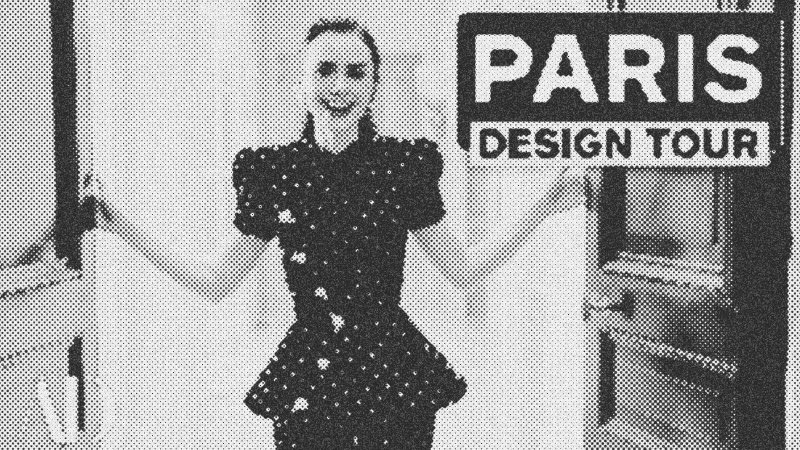
Design in is never just about the furniture; it is about the dialogue between historical architecture and the modern pulse of the city. On the set of , walks through an office environment that feels less like a corporate cubicle and more like a high-end residence. This is a deliberate choice by the production design team to mirror the grandeur of , the architect who redefined the city’s aesthetic. By utilizing crown molding, massive chandeliers, and a layout that mimics a sprawling apartment, the set creates a sense of "groundedness" for a character famously caught between two cultures.
The attention to detail extends beyond the visible architecture. The office of is designed with a specific psychological profile in mind. While works in a space infused with soft, "girly" pinks to reflect her optimism, ’s office uses colder tones and sharp contrasts to mirror her formidable, icy exterior. This use of color theory proves that interior design is a narrative tool. When a workspace is designed to be "livable," it changes the behavior of those within it, fostering a creative energy that a sterile office could never replicate.
Searching for the soul of ceramics at Marché aux Puces
If the city's buildings are its bones, the is its memory. Covering nearly 20 acres with over 1,700 vendors, this market is a pilgrimage site for those who believe a home should be a collection of stories. Interior designer views the market not as a retail space, but as a museum where the exhibits are for sale. Here, the hunt for a specific piece—like a chandelier—can span four years, highlighting a commitment to patience that flies in the face of modern "fast furniture" culture.
The discovery of pottery within the market serves as a masterclass in French craft history. Founded in the 1940s, this studio’s handmade ceramics gained global fame after incorporated their buttons into his revolutionary "New Look." These pieces are highly collectible because they represent a specific era of post-war French artistry. notes that finding these items requires a strategic approach: starting at the top of a stall where items are less cluttered and moving downward to avoid the sensory overwhelm that often leads to missing the "missing piece" of a room.
Lenny Kravitz and the philosophy of soulful elegance
Inside , has spent 22 years refining what he calls "soulful elegance." His home is a tribute to his mother, , and acts as a physical manifestation of his ancestry. argues that design without feeling is merely a collection of designer names. For him, a space must have "soul"—an intangible quality achieved by mixing high-European design with African forms. This is most evident in his custom piano, featuring hand-carved legs and bronze work that blends these two heritages into a functional sculpture.
- 17%· people
- 10%· people
- 7%· people
- 7%· places
- 7%· products
- Other topics
- 53%
The house operates as an "antenna" for creativity. uses volume and acoustics to facilitate music-making, proving that a home should support the resident’s vocation. His collection includes deeply personal artifacts, such as a shirt belonging to and boots from . These items aren't just decor; they are "vibrations" that keep the artist inspired. By maintaining low lighting and prioritizing comfort over museum-like rigidity, creates an environment where communication and relaxation are the primary functions, rather than visual display.
The technical precision of Murano and Baccarat glass
Understanding the value of Parisian antiques requires a technical eye for glass and light. At the flea market, points out the distinction between intentional design and manufacturing errors. glass, for instance, revolutionized the industry by turning air bubbles—once considered imperfections—into consistent, intentional design elements. This transformation of a mistake into a purposeful aesthetic is a hallmark of high-end vintage collecting.
Lighting, in particular, carries the heaviest weight in a Parisian interior. Whether it is a 70-year-old lamp featuring hand-stitched leather or a massive waterfall chandelier, the fixture acts as the "jewelry" of the room. The installation of a 49-piece hand-blown glass chandelier requires 25 feet of scaffolding and a meticulous, one-piece-at-a-time assembly. This level of effort underscores the importance of proportion; a light must make a statement without "shouting," maintaining a balance that respects the height of the ceiling and the historical weight of the doors and moldings.
Curating a legacy through personal history
A home reaches its final form when it reflects a lifetime of evolution. explains that his home was not "decorated" in a single season but grew alongside him for over two decades. This approach to design favors the acquisition of pieces with meaning—like a charcoal drawing of found in the early 90s—over trendy items that lack a personal connection. When we choose objects that reflect where we have been and what we value, the space becomes a sanctuary for recreation and personal frequency.
Ultimately, the Parisian approach to design is a rejection of the temporary. It is found in the "working kitchens" of tiny apartments where films, in the 20-acre labyrinth of , and in the quiet library of a rock star filled with his mother's books. These spaces prove that well-designed environments are not just about aesthetics; they are the vessels for our memories and the catalysts for our well-being. By investing in pieces that stand the test of time, we ensure that our homes remain an authentic extension of who we are, ready to tell our stories to the next generation.
The Ultimate Paris Design Tour | Architectural Digest
WatchArchitectural Digest // 55:23

Architectural Digest
AD is the international authority on design and architecture. AD provides exclusive access to the world’s most beautiful homes and the fascinating people who live in them, bringing its audience a wealth of information on architecture and interior design, art and antiques, travel destinations, and extraordinary product.