The Art Deco Soul of Stranger Things 5: Designing the Hawkins Radio Station
Architectural Roots of the Golden Age
Production designer Chris Trujillo anchored the aesthetic of the new radio station set in the Golden Age of Radio. This era prioritized bold, geometric forms and a sense of technological optimism. By leaning into Art Deco architecture, the design team captures a period when radio was the primary heartbeat of American culture. This choice creates a striking visual contrast to the gritty, supernatural elements often found in Stranger Things. The architecture serves as a time capsule, reflecting the prominence and popularity of the early 20th-century broadcasting boom.
The Power of the Lookbook
Design is a collaborative conversation. Trujillo presents the Duffer Brothers with exhaustive lookbooks to establish a shared visual vocabulary. One specific image of an old radio station exterior became the catalyst for the entire set. This wasn't just a random reference; it was a landmark the creators remembered from their childhood. This personal connection influenced the writers to integrate the physical space directly into the script for the final season. It proves that a single, evocative image can shift the trajectory of a narrative.
Authentic Industrial Details
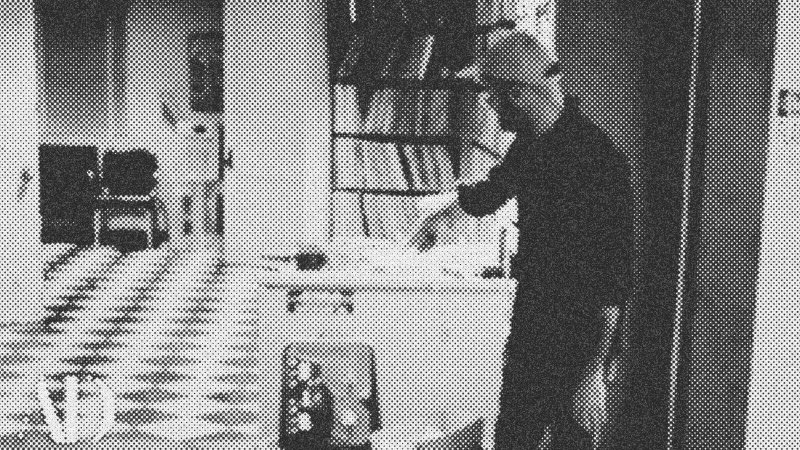
True immersion lives in the mundane. After visiting an actual vintage station with supervising art director Sean Brennan, the team discovered specific functional requirements they hadn't initially considered. One such detail is the copper stripping embedded in the flooring. While it might look like a decorative inlay to the untrained eye, it represents a complex grounding system. These strips managed the heavy electrical currents required for high-power broadcasting, ensuring the set feels grounded in reality rather than just looking like a Hollywood facade.
Designing for Well-Being and Story
Every design choice tells a story. By focusing on these granular details—from Art Deco curves to electrical grounding—the production team creates an environment that feels lived-in and intentional. For the characters of Stranger Things 5, this station isn't just a backdrop; it's a functional workplace. This level of detail enhances the actors' performances and the audience's belief in the world, proving that great design is the bridge between fiction and felt experience.
- Art Deco
- 17%· styles
- Chris Trujillo
- 17%· people
- Duffer Brothers
- 17%· people
- Sean Brennan
- 17%· people
- Stranger Things
- 17%· tv shows
- Stranger Things 5
- 17%· tv shows
How 'Stranger Things 5' Built a Radio Station
WatchArchitectural Digest // 1:07

AD is the international authority on design and architecture. AD provides exclusive access to the world’s most beautiful homes and the fascinating people who live in them, bringing its audience a wealth of information on architecture and interior design, art and antiques, travel destinations, and extraordinary product.