Victor Gruen meant to save suburbs but created the modern shopping trap
From European plazas to American consumer mazes
Design tells a story, and the narrative of the American shopping mall is one of bittersweet irony. What we now recognize as a temple of consumption began as a radical attempt to foster human connection. Victor Gruen, an architect who fled Nazi-occupied Vienna, arrived in the United States with a deep disdain for the car-centric, isolating nature of American suburbs. He didn't set out to build a retail machine; he wanted to recreate the bustling, pedestrian-friendly life of European plazas.
His first major project, the Southdale Center in Minnesota, debuted in 1956 as the first modern enclosed mall. It featured fountains, plants, and seating areas designed to encourage lingering and spontaneous conversation. However, the very elements Gruen used to create a cozy community hub—climate control, skylights instead of windows, and open storefronts—soon became the foundation for a psychological phenomenon he would later grow to detest.
The psychology of the Gruen Transfer
At the heart of mall design lies the Gruen Transfer. This term describes the specific moment a shopper enters a space and becomes so disoriented by the curated environment that they forget their original intent. You enter to buy a specific item, like a newspaper, but the overwhelming choices and pleasant distractions cause you to shift from a state of need to a state of desire.
Retailers maximize this effect through the "dumbbell layout." By placing massive anchor stores at either end of a long corridor, designers force visitors to traverse a gauntlet of smaller, high-margin boutiques. Every escalator, fountain, and lack of a clock is a deliberate choice to slow your pace and dissolve your sense of time. The goal is to keep you in a perpetual state of "just one more look."
Scaling the maze at Mall of America
The Mall of America took these principles to a gargantuan scale. Spanning over five million square feet, it utilizes a cartesian grid layout—essentially a series of dumbbells multiplied into a complex network. To get between major anchors, you must navigate a maze where every turn offers a new stimulus, from indoor theme parks to aquariums. The introduction of the escalator was critical here; unlike elevators, escalators keep you visually connected to the storefronts, ensuring your eyes are always on the product even as you move between levels.
Las Vegas and the perversion of the plaza
Perhaps the most extreme evolution of these tactics is found at The Forum Shops at Caesars in Las Vegas. Here, the European plaza aesthetic is fully weaponized. By using a fake, perpetually sunset-hued sky and curved pathways that hide the exit, the mall ensures shoppers never feel the urge to leave. This "cluster design" sorts people by demographic, placing high-end luxury brands directly next to casino exits to capture the impulse of a big winner. It is the ultimate perversion of Gruen’s vision: a space that looks like a community but functions solely as a revenue engine. While Gruen eventually disowned his creation, his design DNA remains the invisible hand guiding every dollar spent in the modern retail landscape.
- Las Vegas
- 14%· places
- Mall of America
- 14%· places
- Michael Wyetzner
- 14%· people
- Minnesota
- 14%· places
- Southdale Center
- 14%· places
- Other topics
- 29%
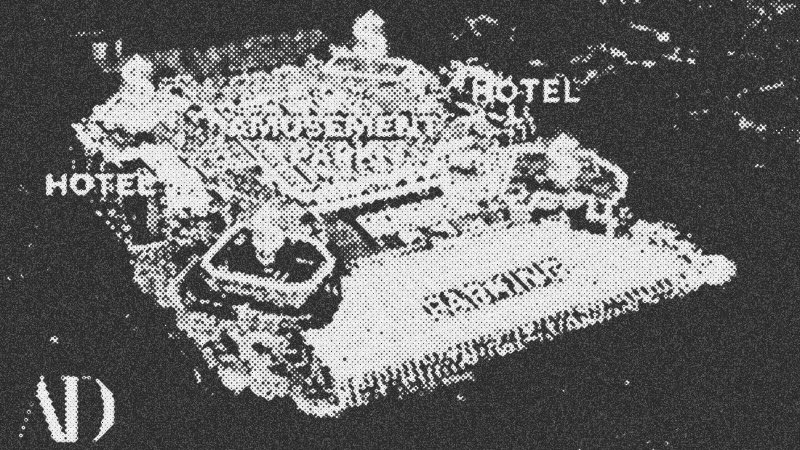
How Shopping Malls are Designed to Overwhelm You | Architectural Digest
WatchArchitectural Digest // 18:12

AD is the international authority on design and architecture. AD provides exclusive access to the world’s most beautiful homes and the fascinating people who live in them, bringing its audience a wealth of information on architecture and interior design, art and antiques, travel destinations, and extraordinary product.