The Evolution of 3D Printed Storage: Gridfinity vs. Motorbox
Navigating the Roots of Modular Organization
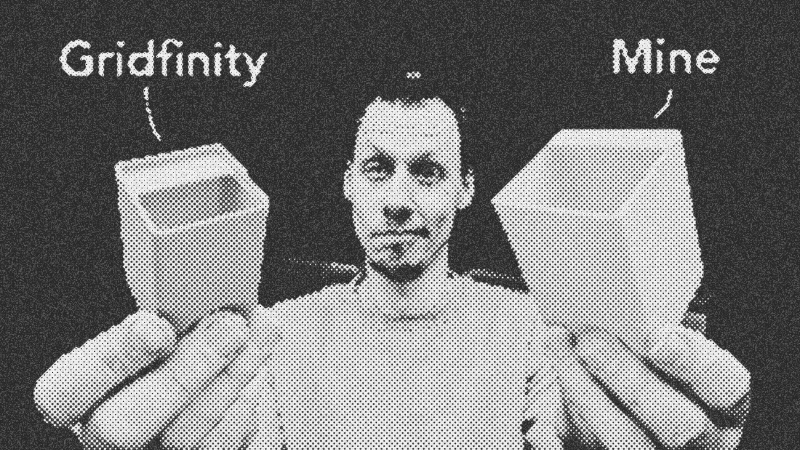
Misconceptions often cloud the origin of innovative designs in the DIY world. Many creators face accusations of 'stealing' ideas when, in reality, they were the pioneers. Alex Chappel faced this exact scenario with his Motorbox system. While many assume he copied the open-source Gridfinity project, Chappel actually released his grid-based 3D printable organizers 18 months before Gridfinity existed.
The Design Philosophy of Motorbox
Motorbox represents a closed-source approach where every file undergoes rigorous testing by a single designer. This system prioritizes reliability over sheer volume. Chappel optimizes the geometry for speed and durability, featuring specific wall thicknesses and fillet radiuses that ensure clean bridges without supports. By offering pre-sliced files for machines like Bambu Lab printers, the system saves users hours of trial and error. You aren't just buying a box; you are buying the expertise that prevents filament waste and print failures.
The Open-Source Explosion of Gridfinity
Zack Freedman took the concept of modular workshop storage and turned it into a community-driven movement with Gridfinity. Because it is open source, the variety is staggering. Users can find niche holders for everything from specialized electronics to specific kitchen utensils. However, this democratic approach brings chaos. You often encounter duplicate designs, varying tolerances, and files that may not actually fit the standard grid. It requires the user to do more legwork to find quality models.
Choosing the Right System for Your Workshop
Decision-making comes down to your personal workflow. If you want a 'plug-and-play' experience where every bin, drawer, and woodworking plan fits perfectly, Motorbox is the professional choice. It offers a cohesive ecosystem maintained by one person. If you prefer a massive library of free, community-generated content and don't mind occasionally troubleshooting a file, Gridfinity provides infinite flexibility.
Conclusion: A Diverse Ecosystem
There is no 'winner' in the battle of organizational systems. Both philosophies offer immense value to the 3D printing community. Whether you support a creator directly through a closed-source purchase or participate in an open-source collective, the goal remains the same: reclaiming your space and mental bandwidth through functional design.
- Adam Savage
- 11%· people
- Alex Chappel
- 11%· people
- Bambu Lab
- 11%· companies
- Gridfinity
- 11%· products
- Motorbox
- 11%· products
- Other topics
- 44%
Did I Steal from Gridfinity?
WatchAlexandre Chappel // 14:34

I'm an Industrial designer and a maker - I make videos about my projects.