Custom Chocolate Fabrication: From 3D Model to Edible Art
The Digital Foundation of Edible Design
Creating a custom confectionery masterpiece requires more than just a sweet tooth; it demands a fusion of digital manufacturing and culinary patience. By starting with a low-poly Pikachu model by Flowistic, the process begins with logic. To ensure the final product releases from its casing, you must split the 3D model into multiple sections. This strategic disassembly prevents undercuts that would otherwise trap the chocolate or the plastic during the forming stage.
Vacuum Forming the Food-Grade Mold
Once the 3D-printed parts serve as your master forms, vacuum forming takes over to create the actual cavity. This step bridges the gap between a rigid plastic print and a flexible, food-safe vessel. Heat the plastic sheets until they soften, then activate the vacuum to pull the material tightly over the 3D prints. These plastic shells, when clipped together, form a hollow chamber ready to receive molten ingredients. Precision at this stage ensures the final chocolate retains the crisp, geometric lines of the low-poly aesthetic.
Tempering and Pouring for Structural Integrity
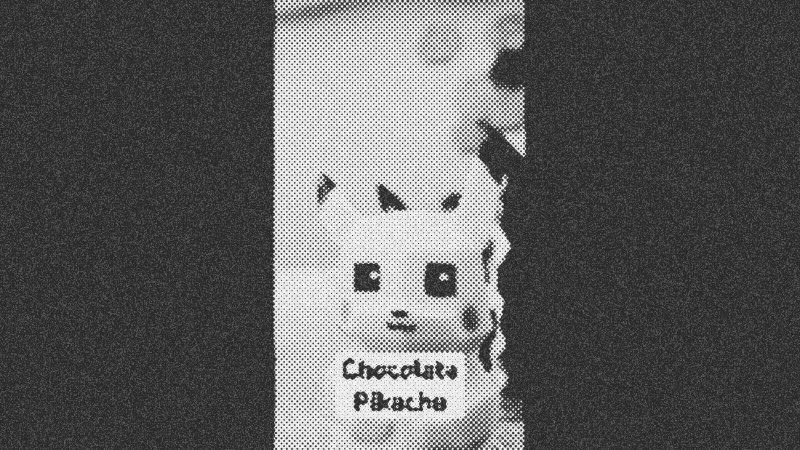
Filling the mold is a game of temperature control. Color your white chocolate with oil-based food dyes to achieve that iconic yellow hue. Pour the chocolate into the assembled mold and rotate it vigorously. This "slush casting" technique ensures an even coating across all interior surfaces while maintaining a hollow center, which reduces weight and prevents the chocolate from cracking due to thermal expansion.
Surgical Repairs and Airbrushed Finishes
Disaster often strikes during the de-molding phase, especially with delicate extremities like ears. If a break occurs, treat melted chocolate as a structural adhesive. Carefully fuse the pieces back together and smooth the seams. For the final polish, use an airbrush with food-grade pigments to add depth and character. This professional touch elevates a simple DIY project into a gallery-worthy centerpiece that happens to be delicious.
I made a chocolate Pikachu using 3D printing and vacuum forming!
WatchAlexandre Chappel // 1:48

I'm an Industrial designer and a maker - I make videos about my projects.