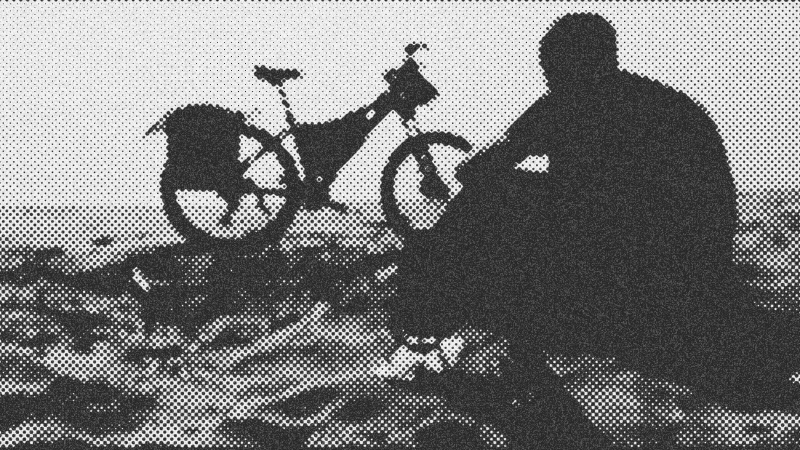
. Heavily loaded bikes groaned under the weight of gear, a stark reminder that every ounce counts when the terrain turns vertical. The rhythm of the trail soon replaced the noise of the city, but the wilderness quickly proved it had its own agenda.
sleeping bag in use lacked bottom insulation, relying entirely on the pad to prevent heat loss. In the wild, the ground acts as a massive heat sink, drawing warmth from the body through conduction and convection. Without a barrier, even the most expensive bag becomes a useless shell.
and a partially functional air mattress as a static thermal barrier rather than a cushion, the team arrested convective heat loss. They leveraged the thin layers of batting within the uninflated mattress to trap air. By avoiding direct weight on the mattress, they ensured the remaining air stayed trapped, creating a vital microclimate against the cold.
The High Stakes of Remote Exploration
This incident underscores a fundamental truth: gear is a life-support system. Whether navigating the coastal scrub of
or the high peaks of the Sierras, your ability to troubleshoot equipment failure defines the boundary between a successful expedition and a dangerous situation. Respect the environment, but trust your ability to improvise.